When you start choosing a forklift, you need to decide on the type of drive for the forklift. Let's take a look at all types of forklifts.
Let's start the series of articles with electric forklifts.
Electric forklifts are mainly used in indoor spaces and warehouses. Let's take a look at the most popular traction batteries on the market.
Lead-acid traction batteries
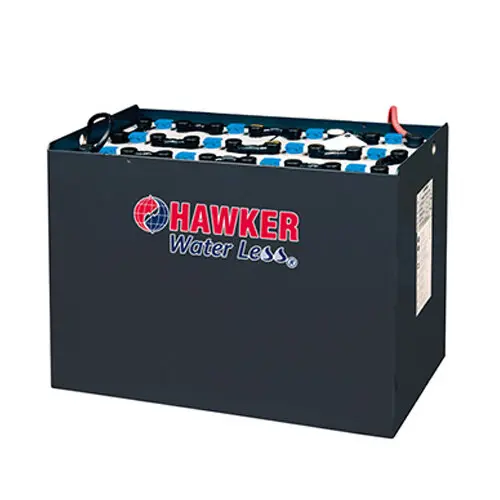
Pros:
- lower energy cost compared to diesel petrol/gas fuel;
- environmentally friendly - no foreign smells in the room where the forklift operates.
Cons:
- A forklift cannot operate on three shifts (the charging time + the mandatory battery warming time is 8-10 hours). After discharging the battery, it must be charged and left for 8-10 hours. After charging, it must be allowed to cool down;
- Only the battery can be fully charged. Short charges of 20-30 minutes followed by continued operation are prohibited - such short charges drastically reduce battery resources (the standard number of 1500 charge and discharge cycles will decrease with each such charge);
- Availability of a special battery charging room, equipped with an exhaust hood and appropriate electrical supply network for charging batteries;
- Limited battery life - up to 6-7 years. After that, a replacement is needed - the price of a new one starts at 3000 USD (you can get good money for an old battery when scrapping it).
Gel traction batteries
Additional pros and cons to the advantages and disadvantages of lead-acid batteries
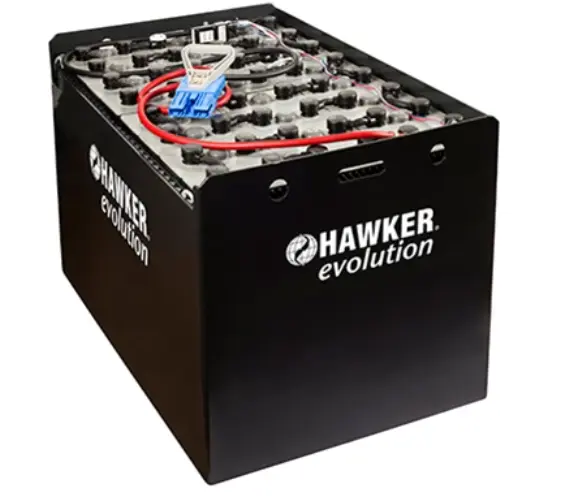
Pros
- no special room is required for charging, because explosive hydrogen is not released during charging.
Cons
- limited number of charge/discharge cycles - 800 cycles (compared to 1500 cycles for lead-acid batteries);
- batteries are not intended for use on equipment, that operates for more than 1 shift.
Lithium traction batteries LiFePO4
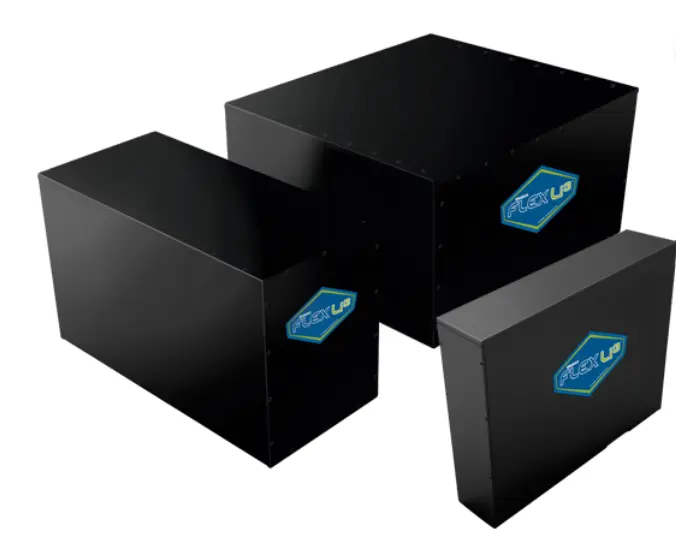
Pros:
- the declared number of charge-discharge cycles is 8000-9000 cycles (up to 6 times more than for a lead-acid battery. Since lithium batteries appeared on the market only in 2018 from little-known manufacturers, there is no practical confirmation of such extended battery life;
- no need for charging with forced ventilation;
- possibility of quick charging of the battery - for example at lunchtime.
Cons:
- very high cost of the battery - 3-4 times more expensive than a regular lead-acid battery;
- batteries available on the market are only made from Chinese components - cells, motherboards;
- complex device - in case of problems with the battery (for example, disconnection of one of the cells, cell asymmetry) service repair is only possible by technical specialists who have the necessary experience, equipment and software for successful repair;
- due to the fact that the lithium-ion battery charger is significantly more powerful compared to lead-acid battery chargers, a stronger electrical network is required. Not all older buildings, and sometimes modern logistics centres, have the capability to connect such chargers. As a rule, the presence of strong cabling in the charging points for lithium-ion batteries should be anticipated in the warehouse design before its construction.